

.jpg)
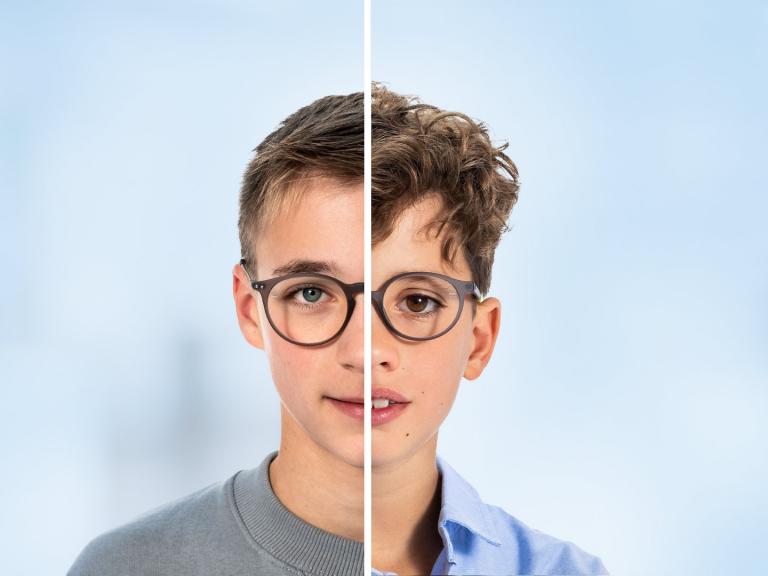
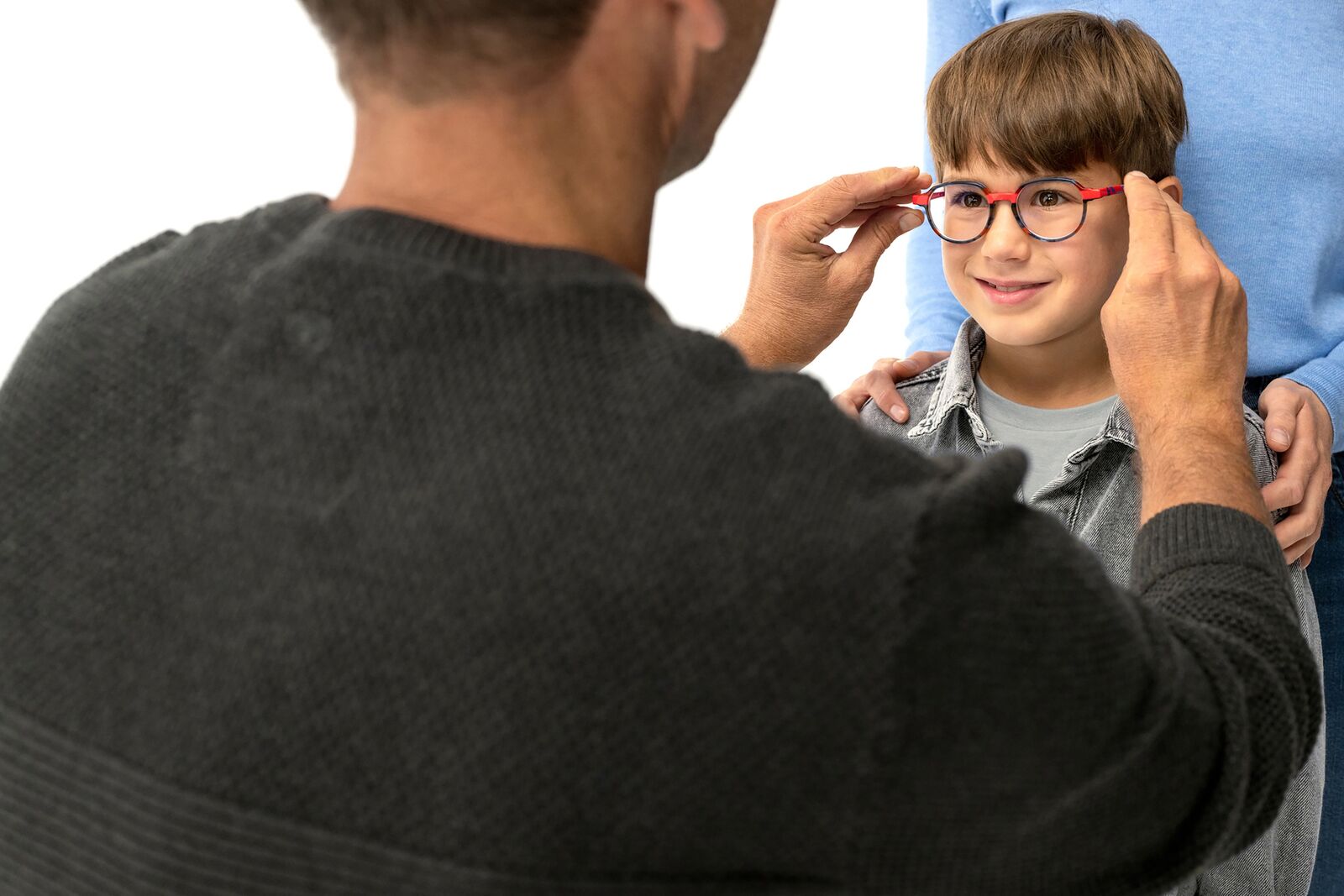
Myopia (nearsightedness) in children tends to get worse year by year during childhood and adolescence, as the eye continues to grow. Myopia control — sometimes called myopia management — refers to methods aimed at slowing that progression during the growing years, rather than only correcting vision at the level it happens to be today.
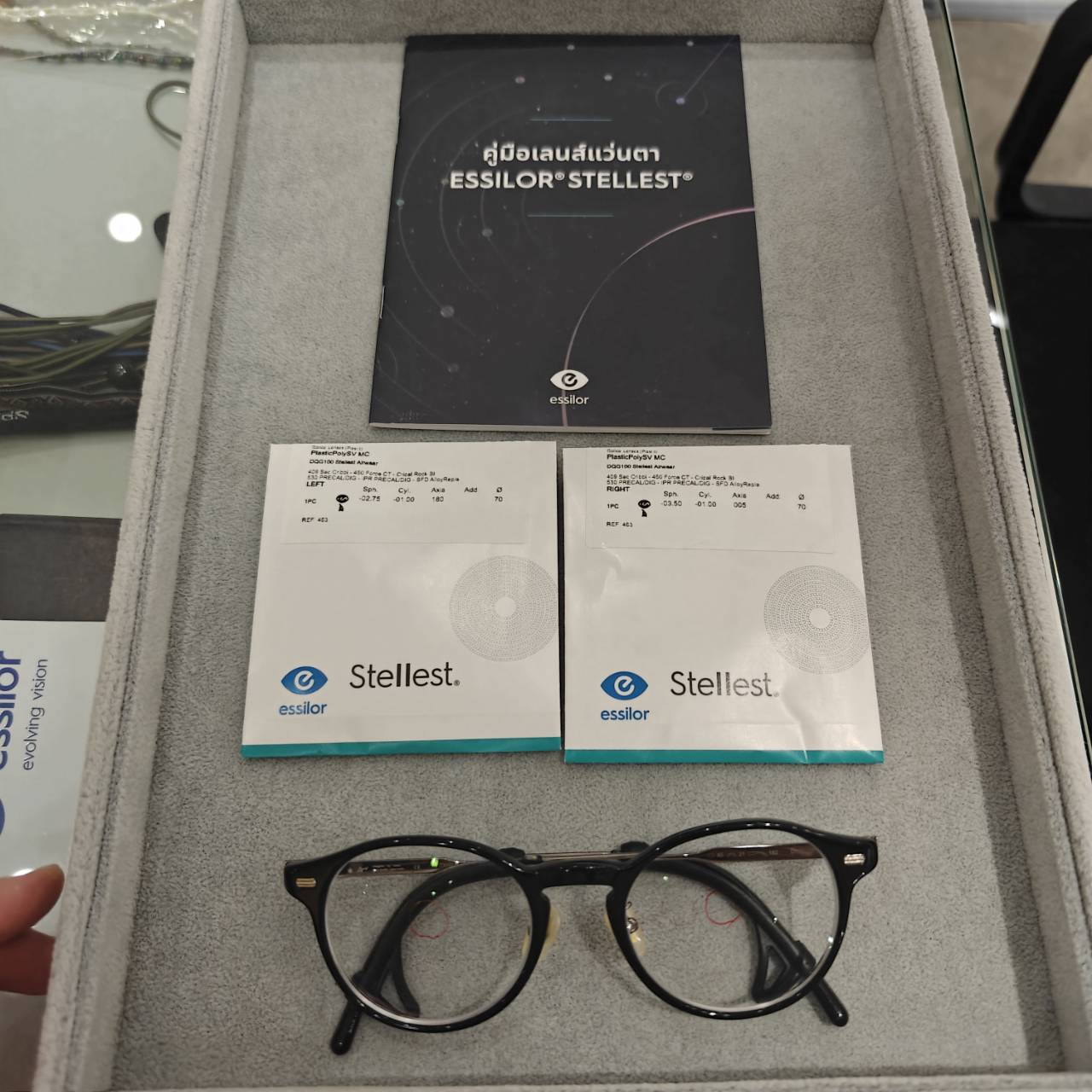
The approach we work with at Optical X is specialty spectacle lenses designed for this purpose, most notably Hoya MiYOSMART, a lens developed by Hoya together with Hong Kong Polytechnic University. Unlike a standard single-vision lens, it has a central zone that corrects everyday vision and a surrounding zone of small optical segments designed to change how light focuses at the periphery of the retina — the mechanism researchers link to signalling the eye to grow more slowly.
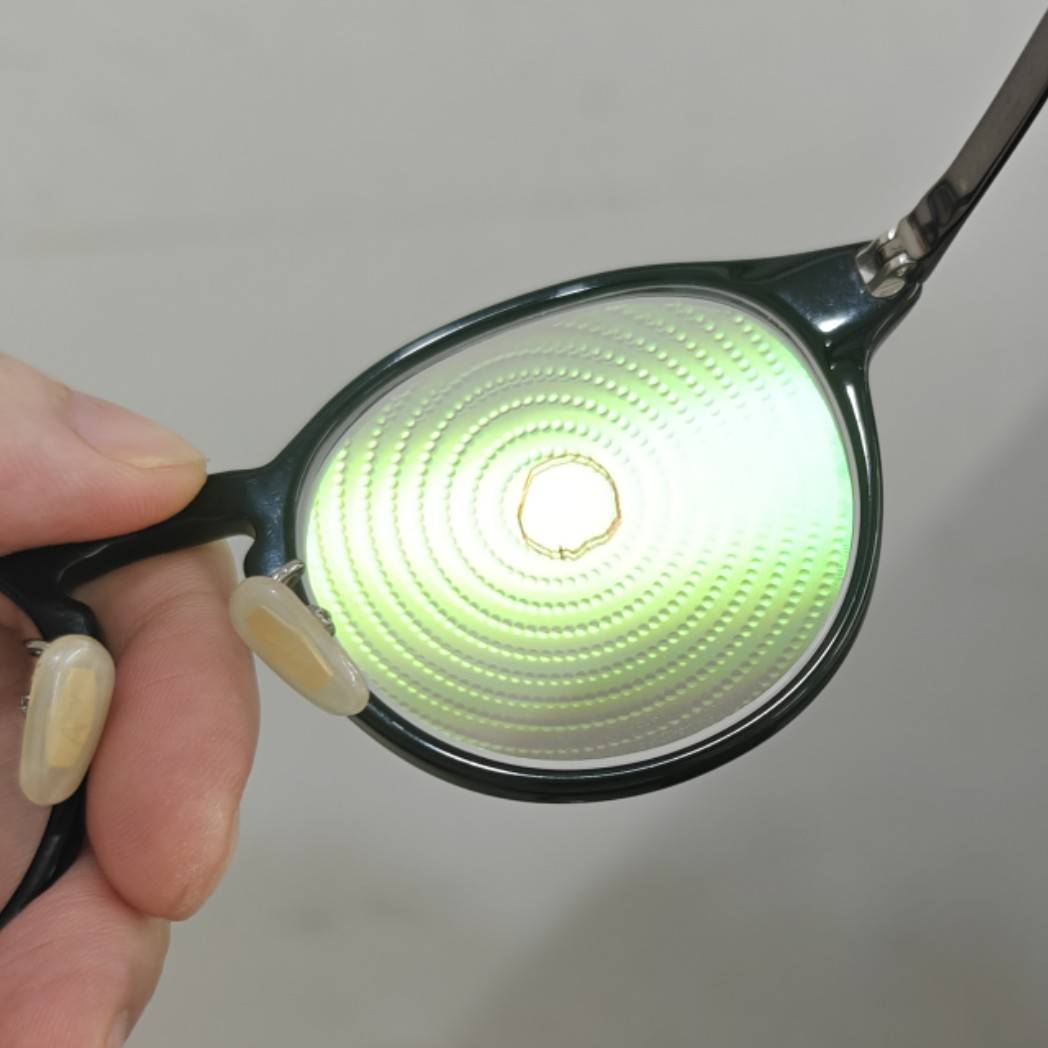
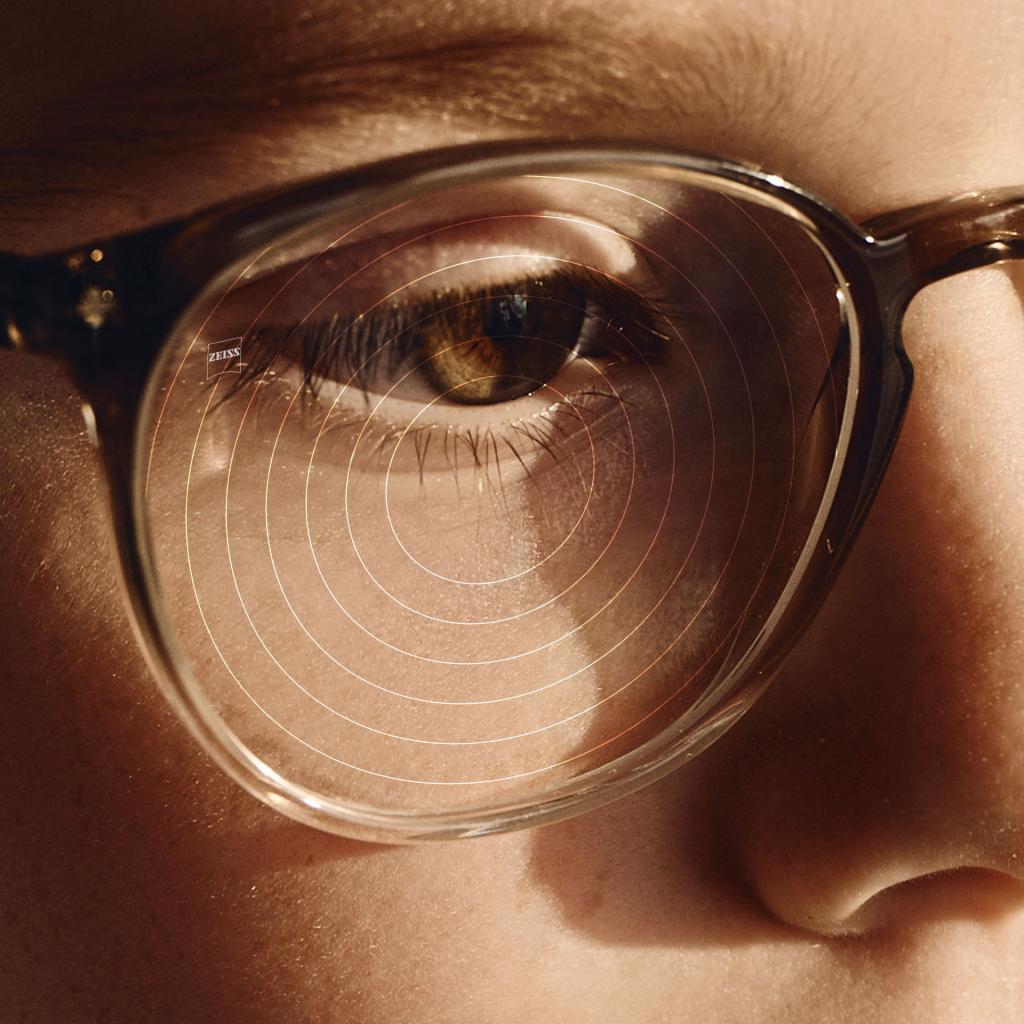
We won't promise a specific outcome for your child. Published clinical research on lenses like MiYOSMART has shown meaningful average slowing of myopia progression in study populations over multi-year follow-up — but every child's eyes respond differently, and progression also depends on genetics, screen time, outdoor time, and consistency of wear. What we can promise is a proper measurement, an honest conversation about what the options are, and consistent monitoring going forward.
It's also worth being clear about what we don't offer in-house: we do not currently provide orthokeratology (overnight ortho-K contact lenses) or prescribe atropine eye drops. If your child's treatment back home used one of those methods, tell us during your visit — we'll be upfront about what we can and can't continue directly, and can help you think through next steps.